Got any questions?
So, You Want to Rent a Loft in Downtown LA—Now What?
Finding the perfect rental can be an emotional, exciting, and also exhausting experience. Because renting an authentic industrial space or a luxury soft-loft is entirely different from leasing a standard residential apartment, you may find yourself wondering along the way—what am I missing?
This is an incredibly common question. Securing a premium space in highly competitive micro-neighborhoods like the Arts District, South Park, or the Historic Core requires a clear understanding of specialized real estate architecture and strict tenant underwriting.
Here is how the loft rental process works from start to finish, mapped out by premier Downtown LA leasing specialist David Hernandez to help you bypass outdated rental applications and secure your dream layout.
1. Understanding the Architecture & Space
Before submitting an application, you must evaluate how a historic conversion or modern soft-loft functions day-to-day. True open-concept living introduces structural features that require unique design approaches:
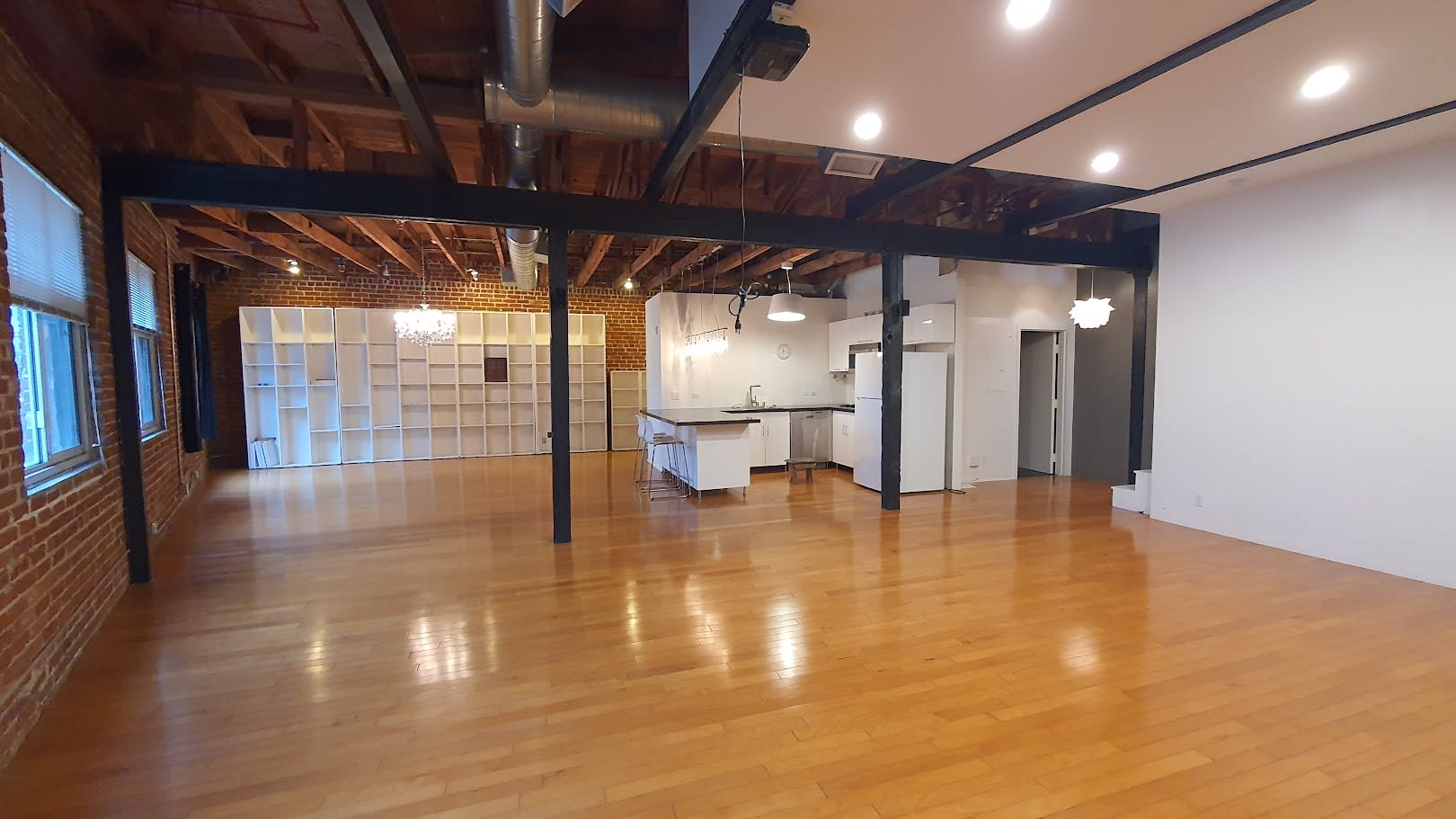
• Authentic Loft Features: Traditional lofts are characterized by massive open volumes, soaring industrial ceilings up to 20 feet, structural pillars, and few—if any—internal walls. While this provides incredible creative energy for remote professionals and artists, you must verify that the raw, open footprint aligns with your daily habits.
• The Privacy Element: Given the wide-open layout, consider how you will visually partition private areas, especially if you require a separate sleeping sanctuary, creative studio, or professional client workspace. Elite loft spaces often rely on floating furniture arrangements, heavy area rugs, industrial shelving arrays, or architectural room dividers to create boundaries without losing the sense of scale.
• Zoning Clarifications: If you plan to operate a public-facing business, run a tech startup, or establish a production studio, look explicitly for properties carrying a legal live/work zoning designation (such as spaces tied to the Artist-in-Residence ordinance).
2. Navigating the Strict High-Rise Rental Screening Process
Because premier high-rise towers and adaptive-reuse warehouses in DTLA represent high-value investments, corporate property management boards and individual landlords enforce comprehensive rental screening guidelines. This vetting process evaluates potential tenants to ensure they are reliable, financially stable, and capable of maintaining the architectural property.
To ensure your application stands out in a competitive market, you must be prepared to fulfill each step of the modern verification checklist:
Step 1: The Formal Application Package
The leasing process begins by compiling a complete documentation profile. To prevent delays that could cause you to lose a highly sought-after unit, have this basic information prepared in advance:
• Identification & Contact: Full legal name, current contact info, and clear government-issued identification.
• Professional Background: Detailed employment history covering both your current position and past professional roles.
• Residential History: Verifiable previous addresses complete with direct landlord contact information.
• Verified References: A curated list of personal or professional references who can attest to your character.
• Security Consent: Your Social Security number or ITIN to authorize legally required background checks.
• Emergency Logistics: Local emergency contact information.
Step 2: The Credit Capability Check
A credit check gives a landlord or HOA board direct insight into your financial responsibility. While a strong credit history suggests an applicant manages their obligations well, past issues require proactive management:
• What Vetting Algorithms Evaluate: Underwriters scan for a consistent on-time payment history, sustainable levels of personal or revolving debt, and past bankruptcies or collections records.
• Legal Authorization: Landlords must obtain your explicit written consent to run a credit check, which is legally mandated under consumer protection laws.
Step 3: The Background Check
A comprehensive background check reviews public records to protect the safety of the residential community and the physical property asset. Vetting teams look closely at:
• Public Record Scans: Verification of criminal histories, focusing on serious criminal offenses, public safety indicators, or property damage incidents.
• Eviction Registries: A thorough review of past civil court eviction records.
Step 4: Employment & Income Verification
Verifying a tenant’s recurring monthly income ensures they can comfortably afford rent throughout the lease term. This step helps protect landlords against financial strain and future payment defaults.
• Required Documentation: Expect to provide three consecutive months of official bank statements, recent pay stubs, an official employer verification letter, or full tax returns if you are self-employed or run an independent creative business.
• The Golden Income Rule: Most Downtown LA rental properties enforce strict income guidelines, requiring an applicant's verified gross monthly income to equal at least 2.5 to 3 times the monthly rent.
Step 5: The Rental History Verification
Checking your rental history allows a leasing team to analyze your behavior in previous living situations. The highest-quality tenants are those who maintained positive, mutually respectful relationships with past management teams.
• The Vetting Process: Landlords or tenant representatives will contact your previous property managers to verify payment punctuality, structural care of the space, noise levels, and overall neighborly conduct.
• Critical Underwriting Red Flags: Screening teams specifically watch out for a pattern of frequent moves within short periods, histories of unpaid rent, late payment notices, noise complaints, or past conflicts with building staff or neighbors.
3. Secure Your DTLA Loft with David Hernandez
The luxury leasing market across www.laloftsforrent.com moves incredibly fast, and navigating corporate screening requirements on your own can be exhausting. Partnering with a dedicated neighborhood specialist allows you to cut through the noise, access hidden off-market inventory, and present a flawless application package.
Whether you are looking for an industrial warehouse conversion in the Arts District or an eco-luxury soft-loft in South Park, David Hernandez and the team at LA Urban Living leverage live MLS tracking and deep building relationships to guide you seamlessly through the process.
Schedule a Private Loft Tour Today
Ready to find your next downtown home or need help navigating strict leasing criteria? Connect directly with local specialist David Hernandez at (213) 808-4324 or via email at david@laurbanliving.com to unlock real-time rental inventory and schedule your private building walkthroughs.